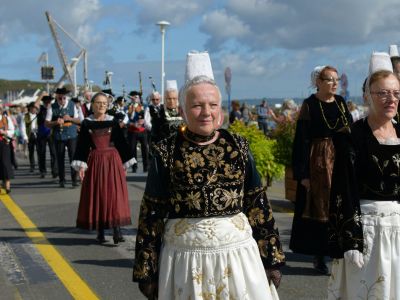
Although the relationship between the Channel Islands and Brittany region was only recently formalised, in 933BC the Islands formed part of Western Francia and archaeological evidence including the famous coin hoard suggests a shared Celtic heritage dating back millennia, the islands also saw waves of immigration from Brittany between the 18-19th centuries in search of agricultural work, as well as in the post-war period.
Where is Brittany ?
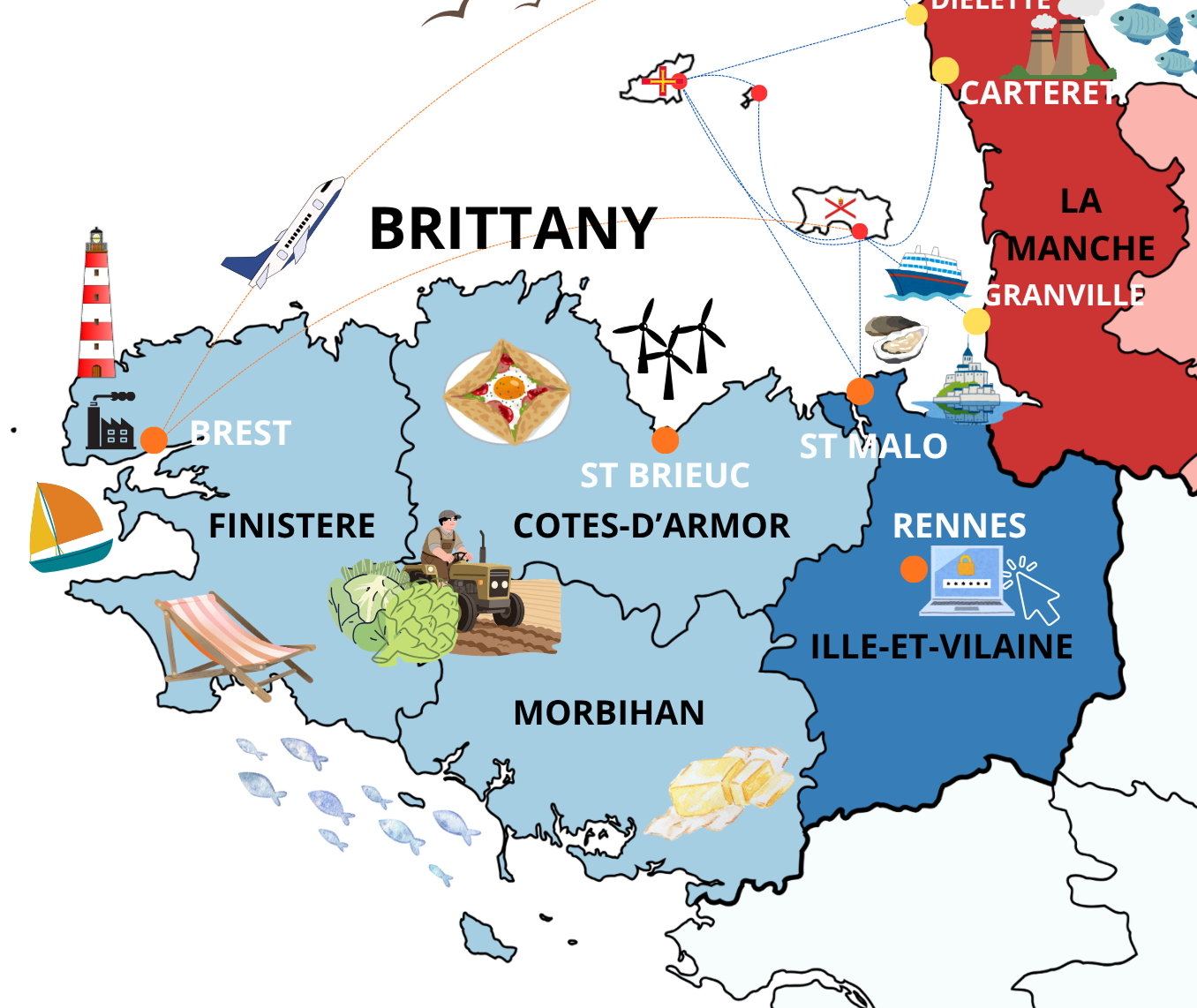
The Brittany region is located in the far west of France, and is bordered by the English Channel, the Celtic Sea, and the Bay of Biscay. The Region of Brittany council is made up of four departments including Ile-et-Vilaine, Morbihan, Finistère, and Côtes d’Armor. The Governments of Jersey and Guernsey have partnership agreements with both the department of Ile-et-Vilaine and the wider Brittany region.
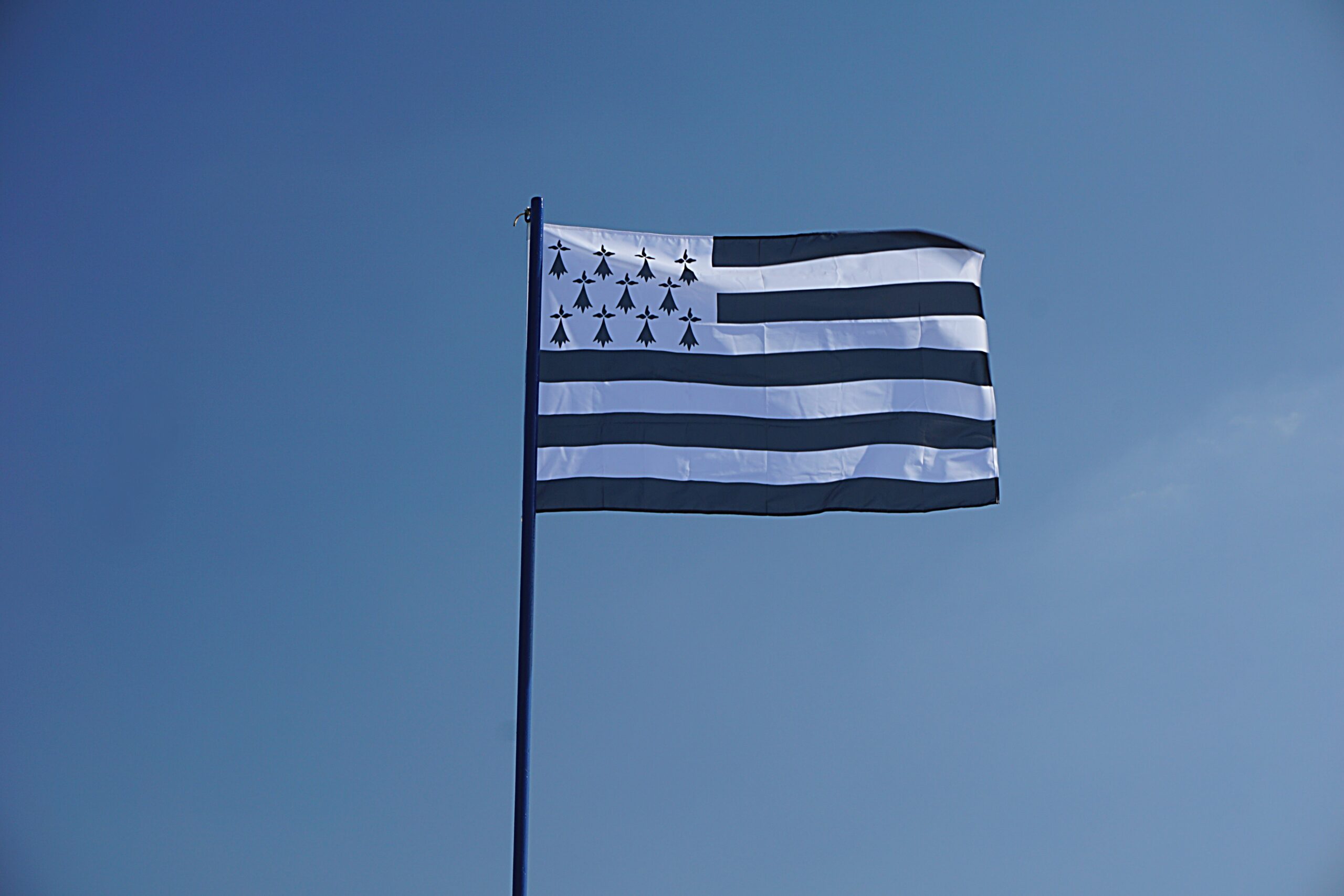
Brittany, or Breizh, is home to over 3.5 million Bretons, its territory spans 27,000km2. The region’s population is one of the most dynamic in France, with an average growth of 18,500 per year. Whilst the main spoken language is French, Breton and Gallo have around 107,000 and 132,000 speakers respectively, the average age of Breton speakers is decreasing, with a reduction of 12 years between 2018 – 2024.
The port town of St Malo in Brittany enjoys particularly close links with the Channel Islands; with regular ferry links to our nearest neighbour, island businesses and public bodies can make the use of a hot desk facility opposite the ferry terminal which is arranged by BIAN. The region is well connected with 2,700km of cycling routes, 600km of canals and 4 airports, Jersey and Alderney are connected to Brest with Finist’Air.
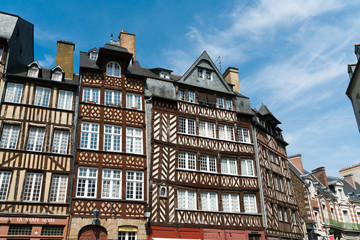
Breton maritime infrastructures
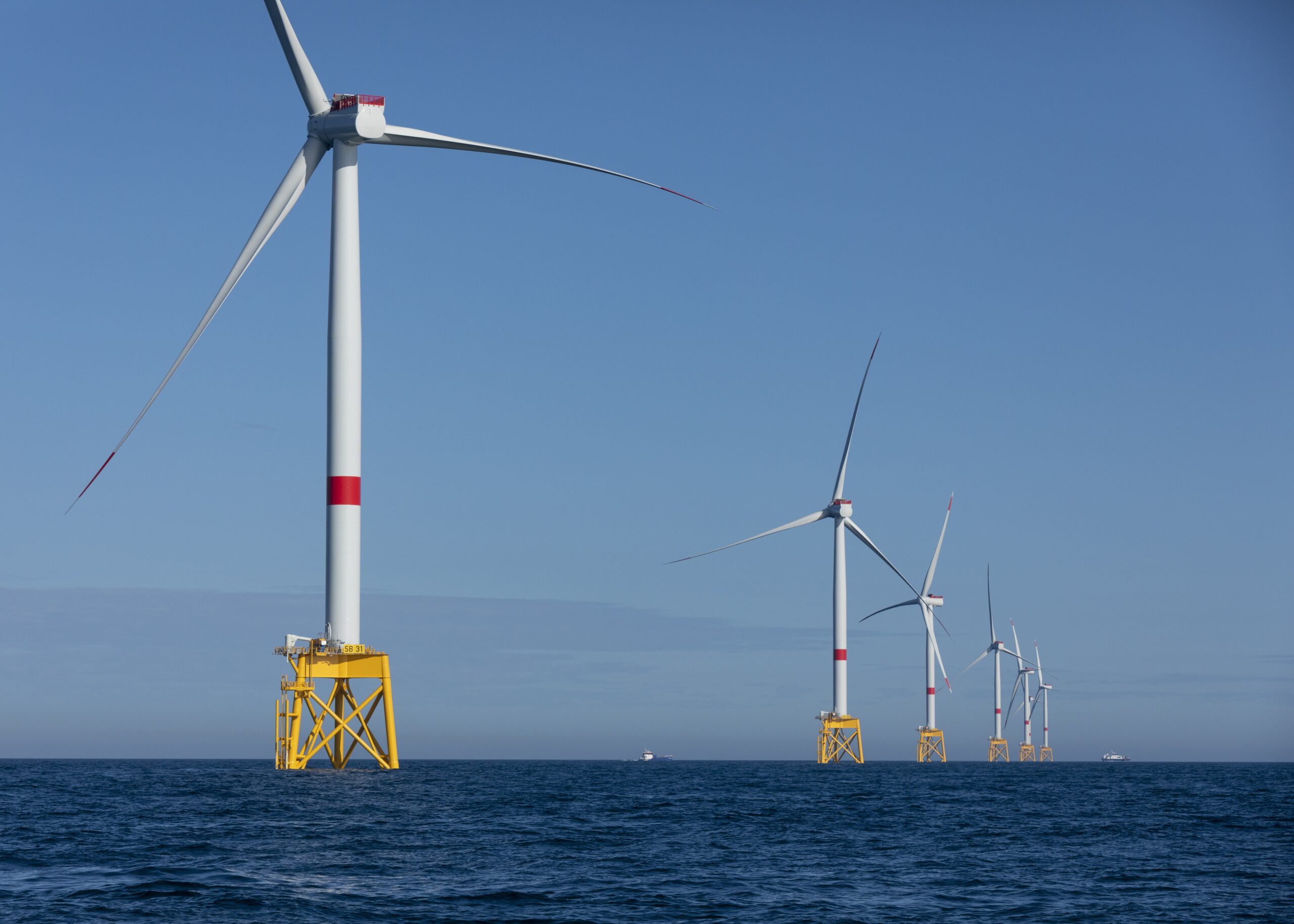
The region has a GDP of €34,650 per capita. Fisheries and agriculture, food processing, shipbuilding and telecommunications are significant economic drivers in the region. With more than 40,000 farms the region produces more vegetables than any other in France. Also, the region is focused on the development of a broad range of energy production from wind (offshore, onshore, floating…). The main achievement to date is Saint-Brieuc (496 MW) and others are in the pipeline.

Research
Research and development accounts for 1.8% of Breton GDP with 4 universities, 8 technological institutes and 31 Grandes Écoles and national research bodies. Rennes is the headquarters of the French Government’s cyber security centre and many regional businesses are specialised in this area.
The region boasts a diverse and beautiful landscape; the coastline is dotted with over 800 picturesque islands and the Iroise Sea holds the status of UNESCO biosphere reserve. For nature-lovers the tides are home to the escargot de Quimper, freshwater pearl mussels, and the white-clawed crayfish.
Culture and identity
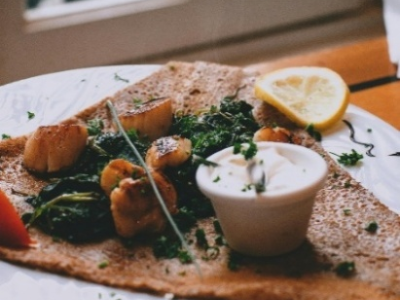
Bretons have a distinct cultural identity, as a Celtic nation they have strong links with Cornwall, Wales, Ireland, Scotland and the Basque region. Brittany is known for its indulgent cuisine, with specialities including Kouign-amann; Galettes de sarrasin buckwheat pancakes, and famously salted butter, the region is a true gourmand’s delight.