The Channel Islands enjoy a special relationship with its closest neighbours. They were part of the Duchy of Normandy when William the Conqueror invaded and became King of England in 1066, and these Norman roots are still visible today through the use of Norman law, and in the customs and identity of the islands.
Since 1204, when mainland Normandy was separated from the Channel Islands and unified with France, the Islands have remained close to their neighbors.
Where is Normandy ?
Located in the Northwest of France Normandy is just 25km from Jersey and 15km from Alderney. Its territory spans 30,000km2 with a population of 3.5 million Normans.


The region is made up of 5 departments (equivalent to counties): Manche, Calvados, Orne, Eure, and Seine-maritime. The department of La Manche is the closest to the Channel Islands. In 2016 the regions of Haute-Normandie and Basse Normandie were unified into one single region following a national policy reform.
Some facts and figures
French is the main language spoken in the region, while the Norman language (which is closely related to Jerriais and Guernsiais) is spoken by a handful of inhabitants, although it has no official status.
Normandy hosts the headquarters of various regional bodies and the devolved administrations of French administrations in the regions.

Normandy has a GDP per capita of €29,000 and overall €96 billion, whilst each of Normandy’s 3 main cities, Caen, le Havre and Rouen, are home to universities.
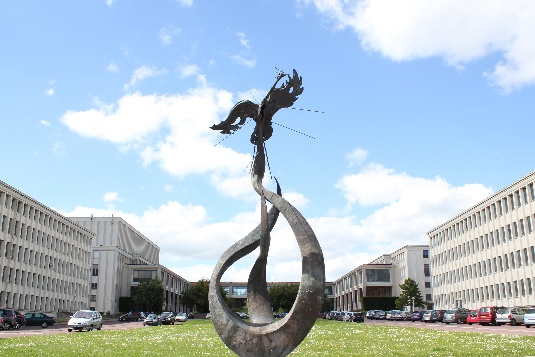
With 92,000 students in the region, including 14,000 international students, the region is proud to be home to a lively and vibrant young community and Caen is the third best university city in France.
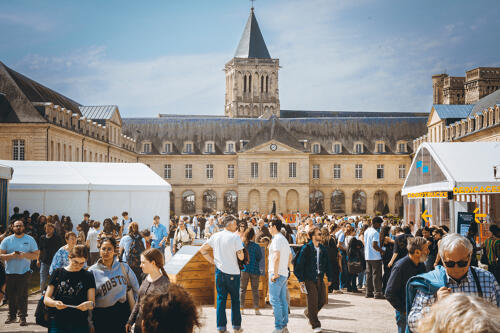
Each year the region is host to the ‘Normandy World Peace Forum’ bringing together thousands of academics, politicians and officials from all over the world.
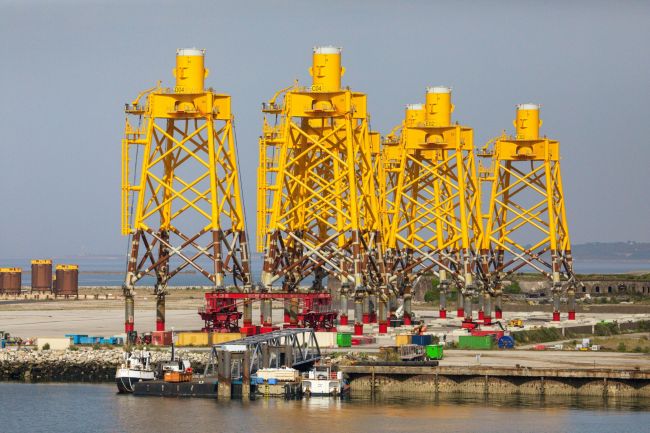
Norman maritime infrastructures
With over 600km of coastline Normandy has the best maritime infrastructure in France, making up 10% of French maritime traffic, and boasting 5 ports, including Le Havre (Europe’s 3rd largest port), Caen and Cherbourg. Normandy welcomes 2.5 million maritime passengers annually, of which 77% are cross channel.
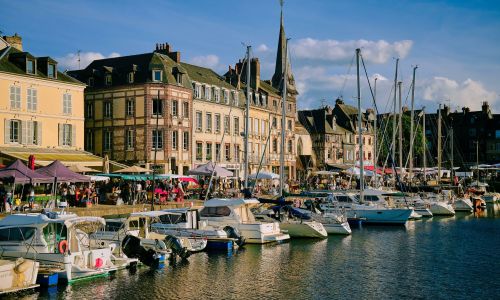
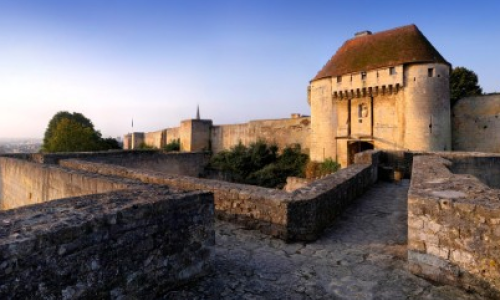
Tourism sites
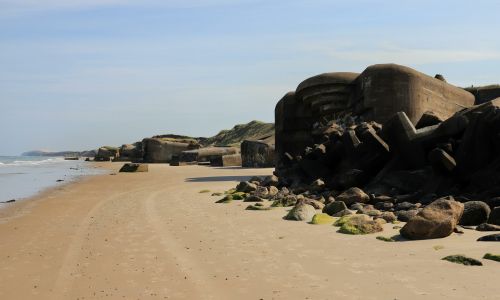
The region is rich in history, boasting landmarks such as le Mont Saint-Michel, the Bayeux tapestry and D-Day landing Beaches.
With roughly 80 million overnight stays from tourists annually, visitors can take time to enjoy the stunning natural beauty of the cliffs of Étretat, Claude Monet’s Garden and over 1,700km of picturesque cycle lanes. Half of tourists are French and the other half is split between the UK, Germany, Netherlands, USA and Belgium.

Its local economy
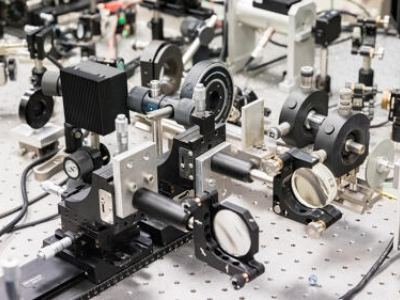
Normandy exports 35% of its GDP internationally. The main areas of excellence are vehicles manufacturing, chemicals, aeronautic, maritime activities and construction, pharmacy/labs/research, food industry, and cosmetics.
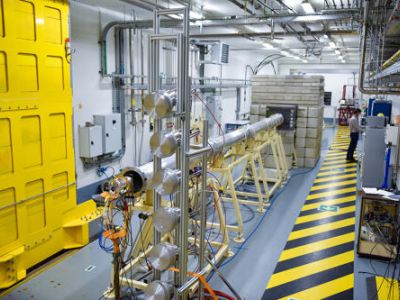
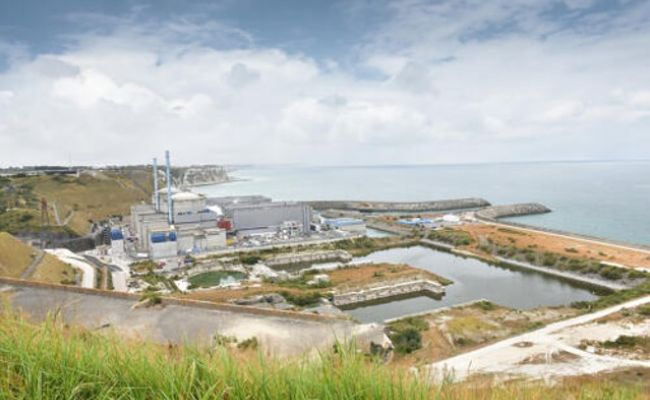
Normandy is an exporter of Energy and is home to two major nuclear power plants. It is the French region with the highest potential for the development of renewable energies.
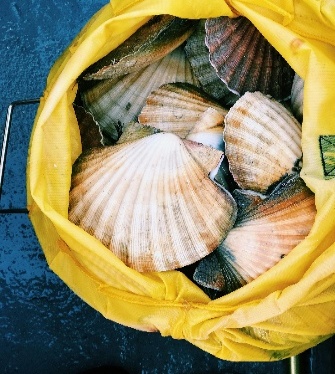
A foodie’s paradise, Normandy is France’s largest producer of cheeses, butter, cream, apples and cider. Seafood lovers are also in luck, as the region catches more scallops than any other in France.
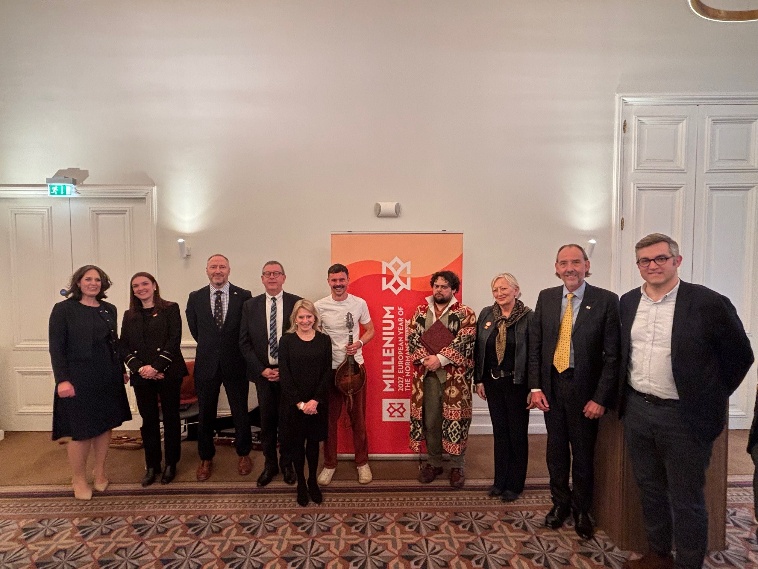
2027 Millenium: the year of the Normans
The millennium of the birth of William the Conqueror in 2027 marks the beginning of a year of widespread celebrations of the “Normans, people of Europe,” whose history has profoundly shaped the continent. In 2027, people from all backgrounds—British, Irish, Channel Islands, Italians, Danes, Norwegians, French, and beyond—will take part and share this exceptional heritage with its many facets and influences across various territories.
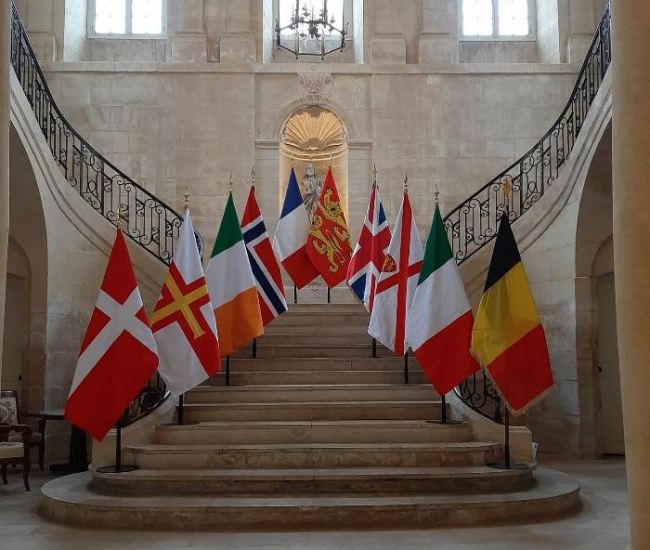
Initiated by the Normandy Regional Council, this year-long event marks the start of an innovative and sustainable European cooperation project which will cement our historical ties and create legacies for future cooperation and partnership.
Since October 2024, the Channel Islands have been involved in workshops and meetings helping to shape the programme of this event with their Norman counterparts, promoting the islands’ unique identity and heritage as well as a very special bond with Normandy. Visit Guernsey and Visit Jersey have been closely involved in the development of plans for marking the event in the Channel Islands, through product development, campaign planning and operator programming throughout 2027.
The Channel Islands are committed to deepening their European partnerships and celebrating this shared history.
The level of interest and enthusiasm that the ‘Millenium’ has attracted in the Channel Islands has been unprecedented. Over 80 projects across the islands will be organised through never-seen-before exhibitions, conferences, talks and community events. Annual events will also be thematised especially for the ‘Millenium’. Most of these events are expected to feature in the official programme of events which will be launched by the Region of Normandy region in Caen on 2-3 July, putting the Channel Islands on the map alongside other European events. Read more in our news section here